
In today’s competitive digital landscape, businesses can no longer rely on traditional marketing alone. With audiences spending more time online, how brands communicate, engage, and build trust has fundamentally changed. As a result, social platforms has become a core component of modern digital marketing strategies.
When executed strategically, still approach helps businesses increase visibility, connect with audiences, and scale online in a measurable and cost-effective way. It is no longer just about posting content. It is about supporting business growth through engagement, data, and strategic alignment with broader marketing goals.
This article guide explains what social media marketing is, how it fits into digital marketing, and why it plays a critical role in helping businesses grow online.
What Is Social Media Marketing?
Social media marketing refers to the use of social media platforms such as Facebook, Instagram, LinkedIn, TikTok, and others to promote a brand, product, or service. According to HubSpot, social media marketing plays a key role in helping businesses connect with audiences and drive measurable growth online. It involves creating and sharing content, running paid advertisements, engaging with audiences, and analysing performance to improve results over time.
Unlike traditional advertising, this approach allows two-way communication. Businesses can interact directly with customers, respond to feedback, and build long-term relationships. This interaction creates trust and credibility, which are increasingly important in today’s digital-first buying environment.
These platforms also provides businesses with real-time insights into audience behaviour. Platforms offer performance data that allows brands to understand what content resonates, what messaging performs best, and how campaigns contribute to business objectives.
How Social Media Marketing Fits Into Digital Marketing
Digital marketing is an umbrella term that covers all online marketing activities, including websites, search engines, email marketing, content marketing, paid advertising, and social media.
Social media efforts play a supporting and amplifying role within this ecosystem. Rather than operating in isolation, it strengthens other digital marketing channels by:
- Driving traffic to websites and landing pages
- Supporting content marketing distribution
- Increasing brand awareness across multiple platforms
- Enhancing lead generation through targeted advertising
- Supporting customer engagement throughout the buying journey
When integrated properly, social media activities help connect different touchpoints within a digital marketing strategy, ensuring consistent messaging and stronger overall performance across all online channels.
Social Media Marketing vs Other Digital Marketing Channels
Each digital marketing channel serves a different purpose. Understanding how social channels compare to other options helps businesses allocate resources more effectively.
Search engine optimization (SEO) focuses on capturing demand from users actively searching for information, products, or services. It is highly effective for long-term visibility but often requires time to generate results.
Email marketing supports relationship-building and retention by communicating directly with existing leads and customers. It works well for nurturing but relies on an already established audience.
Paid search advertising targets high-intent users through keyword-based campaigns, often delivering immediate results but at a higher cost.
Social platforms complement these channels by reaching audiences earlier in the customer journey. It helps businesses build awareness, spark interest, and maintain visibility even before users are ready to purchase.
Rather than competing with other digital marketing efforts, this channel strengthens the entire ecosystem when used strategically.
Why Social Media Marketing Is Important for Businesses
This form of digital engagement is no longer optional for businesses that want to remain visible and competitive. It plays a critical role in supporting growth across industries and business sizes through modern digital engagement. Understanding and avoiding common social marketing mistakes helps businesses maximise results and prevent wasted time and budget.
1. Builds Brand Awareness
Social platforms allow businesses to consistently present their brand to a wide audience. Through regular posting and engagement, brands can remain visible and top-of-mind, even in crowded markets.
2. Improves Customer Engagement
Social media enables real-time interaction. Businesses can respond to comments, messages, and reviews, creating a more human and approachable brand presence.
3. Supports Lead Generation
Through a combination of organic content and paid campaigns, these platforms help businesses attract and convert potential customers across different stages of the funnel.
4. Cost-Effective Marketing Channel
Compared to traditional advertising, social media allows precise audience targeting with flexible budgets. This makes it suitable for small businesses as well as larger organisations.
Social Strategies for Small Businesses
For entrepreneurs and SMEs, social strategies for small businesses provide a practical and cost-effective way to build brand visibility and engage customers online. With the right strategy, even businesses with limited budgets can compete effectively online.
Key advantages include:
- Targeting specific demographics and interests
- Promoting products or services locally or globally
- Testing campaigns quickly and optimising performance
- Measuring results through clear analytics
By focusing on the most relevant platforms and maintaining consistent content, small businesses can build sustainable digital growth without overspending.
Key Benefits of Social Media in a Digital Marketing Strategy
When integrated properly, social media initiatives enhances a business’s overall digital marketing strategy.
Some of the key benefits include:
- Increased website traffic
- Stronger brand identity
- Better customer insights
- Improved conversion rates
- Long-term audience growth
Social media also supports content marketing by amplifying blog posts, videos, and campaigns across multiple channels.
Organic vs Paid Social Media Marketing
Social media promotion typically consists of two approaches: organic and paid.
Organic social media efforts focus on content creation and engagement without advertising spend. It helps build trust, brand personality, and long-term audience relationships but often requires consistency and patience.
Paid social campaigns involve promoting content through advertising placements.
Businesses can target audiences based on interests, behaviour, demographics, and location. Paid campaigns help accelerate reach, support lead generation, and drive measurable outcomes. or most businesses, the most effective approach is a balance of both. Organic content builds credibility, while paid social media supports scalability and performance-driven goals.
Measuring Success in Social Media Marketing
To understand the impact of social media performance, businesses must track results using meaningful metrics.
Brand awareness metrics such as reach, impressions, and follower growth indicate visibility. Engagement metrics such as likes, comments, shares, and saves show how audiences interact with content.
Conversion-related metrics measure how social media supports business outcomes, including website traffic, lead generation, and assisted conversions.
By reviewing performance data regularly, businesses can refine strategies, improve content effectiveness, and ensure alignment with broader digital marketing objectives.
Digital Marketing Trends to Watch in 2026
As digital marketing evolves, social media trends continue to shape how businesses connect with audiences.
Key trends include:
- Short-form video content gaining higher engagement
- AI-driven content and performance optimisation
- Community-based marketing and private groups
- Data-driven advertising and performance marketing
- Stronger focus on authenticity and storytelling
Businesses that adapt to these trends are better positioned to remain relevant and competitive.
How Businesses Can Start With Social Media Marketing
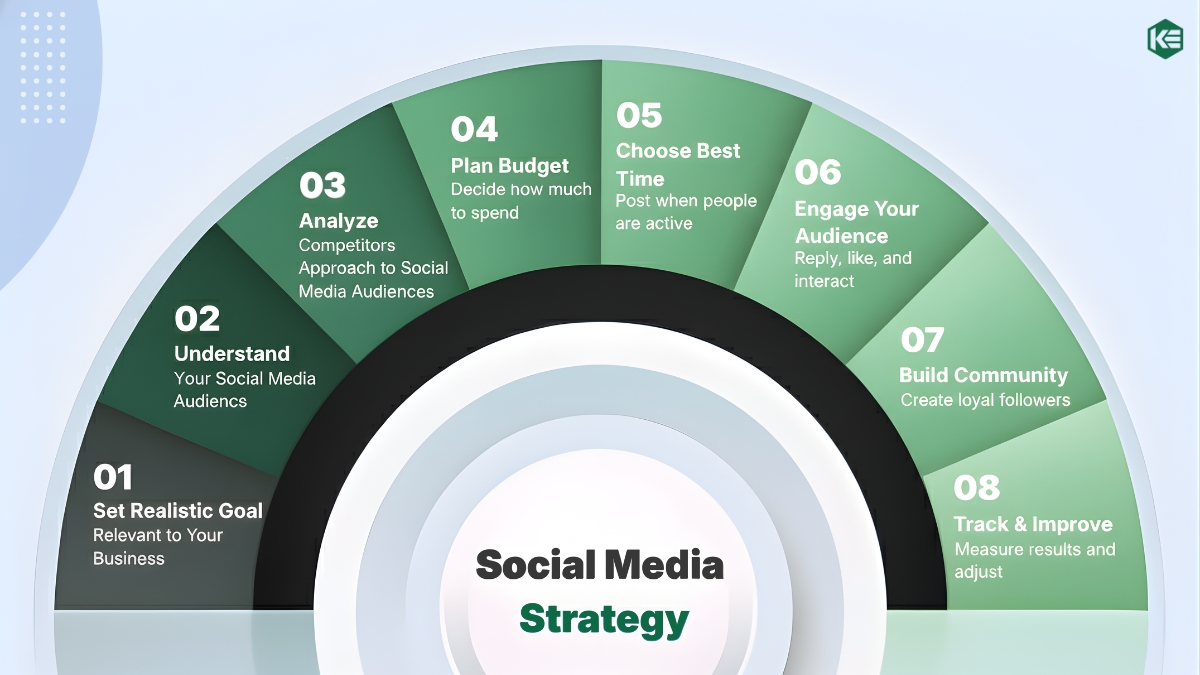
For businesses new to social media marketing, starting with a structured approach is essential.
Key steps include:
- Defining clear marketing goals
- Choosing the right social media platforms
- Creating valuable and consistent content
- Engaging with audiences regularly
- Measuring performance and refining strategies
When aligned with a broader digital marketing plan, these steps form a strong foundation for long-term growth.
Final Thoughts
Social platforms plays a vital role in helping businesses scale online. As part of a complete digital marketing strategy, it supports brand awareness, customer engagement, and lead generation in a measurable and cost-effective way.
Businesses that invest in social media marketing and continuously optimise their strategies are better positioned to grow sustainably in the digital age.
Looking to build an effective digital marketing strategy for your business? A well-planned social media marketing approach can help you reach the right audience and grow online with confidence.